
-Photoroom.png)
-Photoroom.png)
EV and Tesla Towing: What Owners Should Know
Electric vehicles move differently on a tow truck than gas cars, and the details matter. Correct prep protects motors, brakes, and battery systems while keeping the pickup smooth. Tesla owners also need a quick plan for Transport Mode, keys, and app access before the driver arrives. This guide lays out practical steps that make curbside handoffs in Los Angeles, Orange County, the Inland Empire, San Diego, and the Bay Area feel straightforward.
EV towing basics that prevent damage
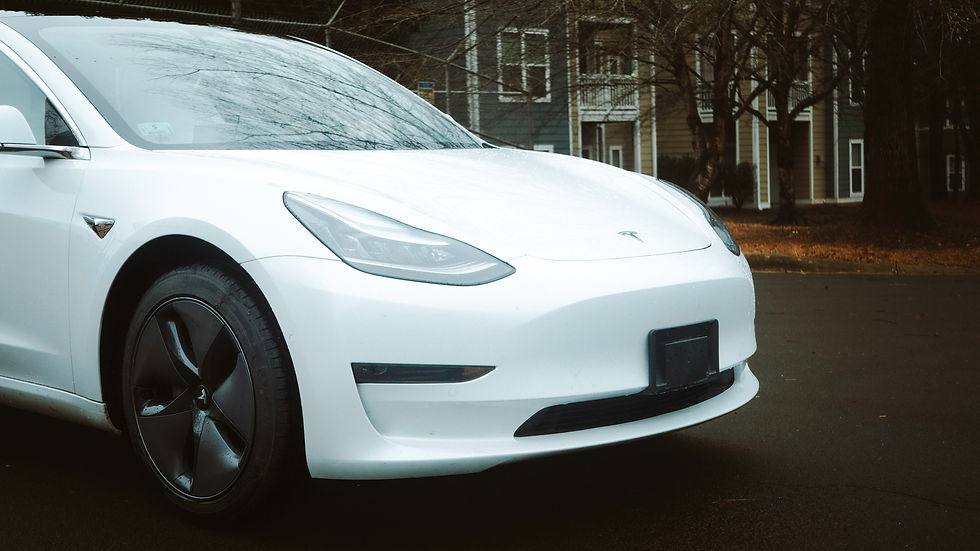
Know the difference between towing and carrier transport
Traditional towing lifts or rolls a vehicle, while carrier transport places the vehicle fully on a trailer. High torque drivetrains and regenerative systems in EVs call for careful handling. Short repositioning can be done with proper dollies and technique when distance is minimal. For longer moves, carrier transport keeps components protected and simplifies the inspection record.
Protect high voltage and thermal systems
EV battery packs and inverters prefer stable temperatures and secure tie points. Drivers use manufacturer lift points and soft straps that avoid coolant lines and traction cables. Clear instructions reduce the chance of clamping the wrong area. A few photos of the underside guards against guesswork at the curb.
Parking pawls, electronic brakes, and rolling resistance
Many EVs set electronic parking brakes automatically. The system must be placed in the proper transport setting before loading. Roll checks confirm the driveline is free and that steering inputs are available. These steps prevent drag on the tires and strain on components.
When short moves on dollies are acceptable
Very short relocations within a lot or out of a tight garage can use wheel dollies that isolate the drive wheels. The driver will confirm clearance and ground angles before the roll begins. Communication at each step keeps the maneuver predictable. Photos of the setup provide a record for your file.
Tesla specific steps before a tow
Transport Mode and access to controls
Tesla vehicles include a transport or tow setting in the service menu. Engaging it releases electronic holds and allows controlled rolling for loading. Practice the steps before pickup so you can complete them quickly at the curb. A quick screen recording or note on your phone helps if the menu is new to you.
Jack Mode for air suspension
Models with air suspension should be placed in Jack Mode before the carrier arrives. The setting prevents auto leveling during loading and unloading. It also keeps the height consistent while straps are set. Confirm the mode is active by checking the cluster message.
Charge level and low voltage power
Aim for a reasonable state of charge that covers loading, unloading, and a short local drive. The twelve volt system powers locks and screens, so confirm it wakes promptly. Leave the key card or fob in a marked envelope. These small items speed the handoff.
App keys, key cards, and temporary access
If you use the app as your primary key, create a short checklist to ensure the driver can access the vehicle. Share a backup key card in case cellular coverage is weak. Remove personal profiles that you do not want copied. Clear access avoids last minute delays.
Hand off checklist at the curb

Photos and notes for a clean condition record
Capture each side, bumpers, roof, glass, wheels, interior, and the battery screen. Match these to a simple condition sheet so pickup and delivery notes align. Good documentation supports the price and speeds any conversation later. Keep the album in one folder with a date and VIN label.
Remove loose items and secure accessories
Charging cables, adapters, and portable chargers should be placed in a single bag. Remove heavy cargo and household items that could shift during transport. Secure child seats if they will travel with the vehicle. Neat cabins load faster and arrive the same way they left.
Clear access and realistic staging
Choose a spot with a straight approach and room for the trailer to align. Avoid steep approaches that could affect aero covers or splitters. Share gate codes and any quiet hours in advance. These details matter in dense neighborhoods.
Paperwork, proof, and release steps
Have a bill of sale or service order ready if the vehicle is changing hands. Keep registration and ID close by for quick verification. File a release of liability when ownership is transferring. Organized paperwork reduces back and forth at the curb.
Choosing the right service for an EV
Local rescue versus planned vehicle transport
Roadside rescue helps when a short pull to a safe spot is all that is needed. Planned vehicle transport covers moves across neighborhoods or cities without rolling the drive wheels. The second option aligns with the way most EV makers want their cars moved. Pick the format that fits the distance and the goal.
Open carrier or enclosed carrier for sensitive vehicles
Open carriers fit most daily drivers and keep costs reasonable. Enclosed carriers add privacy and shield finishes on premium models or collector builds. Owners pick based on vehicle value, weather, and timing. Clear photos and a short note about preferences help the dispatcher select equipment.
Non running EVs and careful winching
A vehicle that will not power up can still be loaded with the correct tools. The driver will isolate the drive wheels, protect aero panels, and winch slowly with spotter calls. Communication at each step keeps the process predictable. Patience here protects trim and paint.
Service coverage and typical timing in California
Daily lanes serve Los Angeles, Orange County, the Inland Empire, San Diego, and the Bay Area with realistic windows. Suburbs with tight streets may benefit from early morning or evening arrivals. Check current lanes on the locations page for planning notes. A short call locks the first good window.
Pricing, timing, and expectations

Variables that influence EV transport cost
Distance, trailer type, timing, and access rules drive price. Extra waits at gated properties can add fees, so clear instructions save money. Precise vehicle details prevent equipment mismatches. Accurate information is the fastest way to keep budgets in line.
Pickup windows that actually work
Two hour windows set expectations without trapping you at the curb all day. Short check in texts when the truck departs and when arrival is close in help a lot. Share an alternate number in case a battery dies. Simple habits create a calmer day.
Communication that keeps everyone aligned
Concise updates at pickup, midpoint, and arrival are easy to forward to family or building staff. Written notes keep records clean if a claim ever needs support. Drivers appreciate a single message with gate codes and parking rules. The right information beats long calls.
Safety and insurance on EV moves
What cargo coverage means for your vehicle
Transporters carry cargo coverage that applies while the vehicle is in their care. Ask for a certificate and confirm limits that match vehicle value. Keep a copy with your sale or service records. Clear terms prevent confusion later.
Bill of Lading details that matter for EVs
The document lists condition, mileage, options, and accessories at both ends. Photos that match the notes make the file complete. Review the sheet slowly before signing. A neat packet helps with registration or lender questions.
Who signs and what to retain
The owner or a named representative signs at pickup and delivery. Keep copies of the condition report, the certificate of insurance, and the contact card for the dispatcher. Store the file with your maintenance receipts. Organized records save time when selling or insuring.
Working with Ace Veteran on EV and Tesla transport
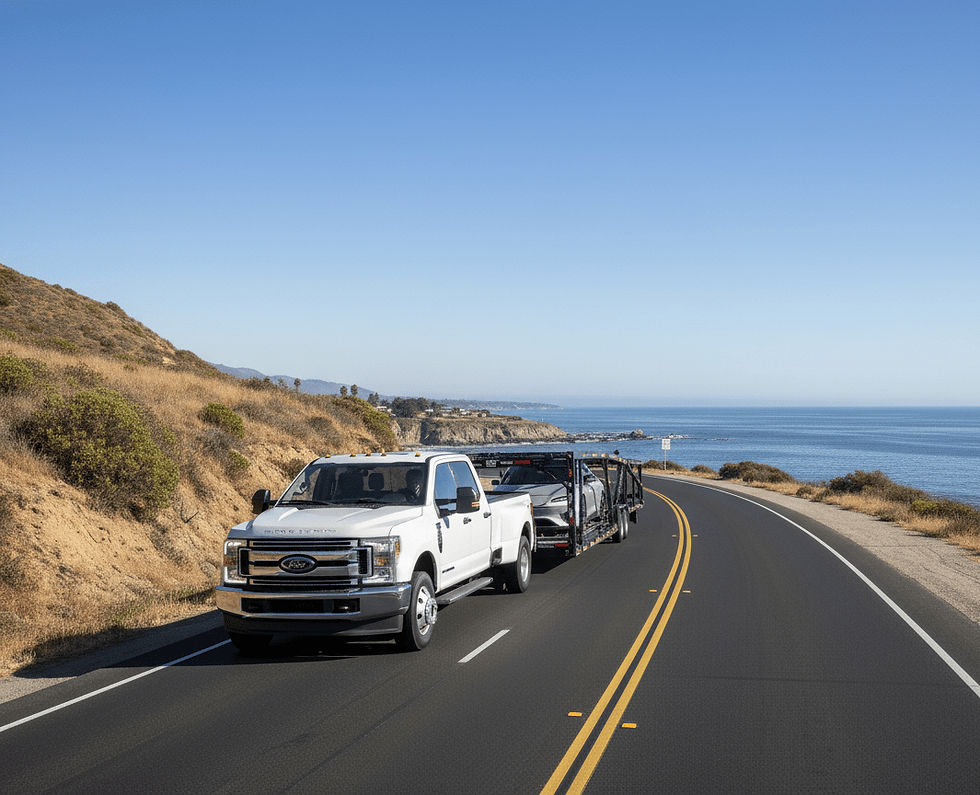
Direct coordination without call center loops
Expect a single dispatcher who knows the route and the unit. Decisions happen quickly and texts arrive at useful milestones. Flexible windows help in dense areas like downtown Los Angeles or central San Diego. A responsive contact removes friction.
Specialty handling for EVs and high value vehicles
EVs, Teslas, and classics benefit from careful tie points, extra inspection time, and clear notes about charging adapters. The specialty transport service covers these details with repeatable checklists. Owners see fewer surprises and faster handoffs. Careful planning always pays off.
How to book a pickup with clear next steps
Share the address, preferred date, and vehicle details, then confirm a window. Use the contact form if a quick message is easier during work hours. A short confirmation lists the plan, the driver’s name, and the expected update times. That structure keeps delivery day simple.
A safe EV tow or transport starts with the right settings, clear access, and a clean record of condition. Prepare Transport Mode, set Jack Mode when needed, and gather keys and adapters before the truck arrives. Confirm insurance details and keep paperwork organized, then pick the service that fits distance and timing across California, Los Angeles, Orange County, the Inland Empire, San Diego, and the Bay Area. If you want to schedule, send a quick note through the contact form to lock a window that fits your calendar.
Frequently Asked Question
Can an EV be moved with the drive wheels on the ground?
Short rolls inside a lot can be done with proper dollies and isolation of the drive wheels. Longer moves should use carrier transport so motors and gear sets are not turning. The safest option is the one that keeps components inactive. A quick chat with the dispatcher confirms the best approach.
How do I put a Tesla into Transport Mode?
Open the service menu and follow the prompts for the model in your driveway. Practice the sequence before pickup so it is second nature at the curb. If the screen is unresponsive, the driver can guide a manual workaround. Clear instruction saves time for both sides.
What charge level should I aim for before pickup?
A moderate charge covers loading, unloading, and a short local drive at delivery. Very low charge can slow unlocking and screen access. Keep the twelve volt system healthy so the car wakes promptly. A few minutes on a charger the night before helps.
Can I leave the charging cable and adapters inside?
Yes, place them in a single bag so nothing goes missing. Remove unrelated household items that could shift during transport. Note any special adapters that the buyer should see at delivery. A tidy cabin avoids confusion later.
What happens if the app key fails on delivery?
The driver will request a key card or physical fob as a backup. Cellular dead zones can block app unlocks, so having a second method is smart. Share both options in the prep message. Redundancy keeps the handoff moving.
Do you handle tight garages and steep driveways?
Yes, with advance notice. The dispatcher will plan staging on a wider street or a nearby lot and complete the handoff there. Early morning windows can help in crowded areas. Clear directions prevent extra trips.
How long do EV deliveries usually take across the service area?
Most in state moves land within a practical window once documents are ready. Dense corridors in Los Angeles and the Bay Area often see faster scheduling because equipment is nearby. Suburban pickups in Orange County, the Inland Empire, and San Diego can require a wider window. Accurate addresses speed the process.
What documents should I keep after transport?
Retain the Bill of Lading, condition photos, and the insurance certificate. These records help with registration, insurance updates, and future resale. Good documentation makes later conversations simple. Keep the packet with maintenance receipts.


Comments